Everything a Sphynx owner needs to know.
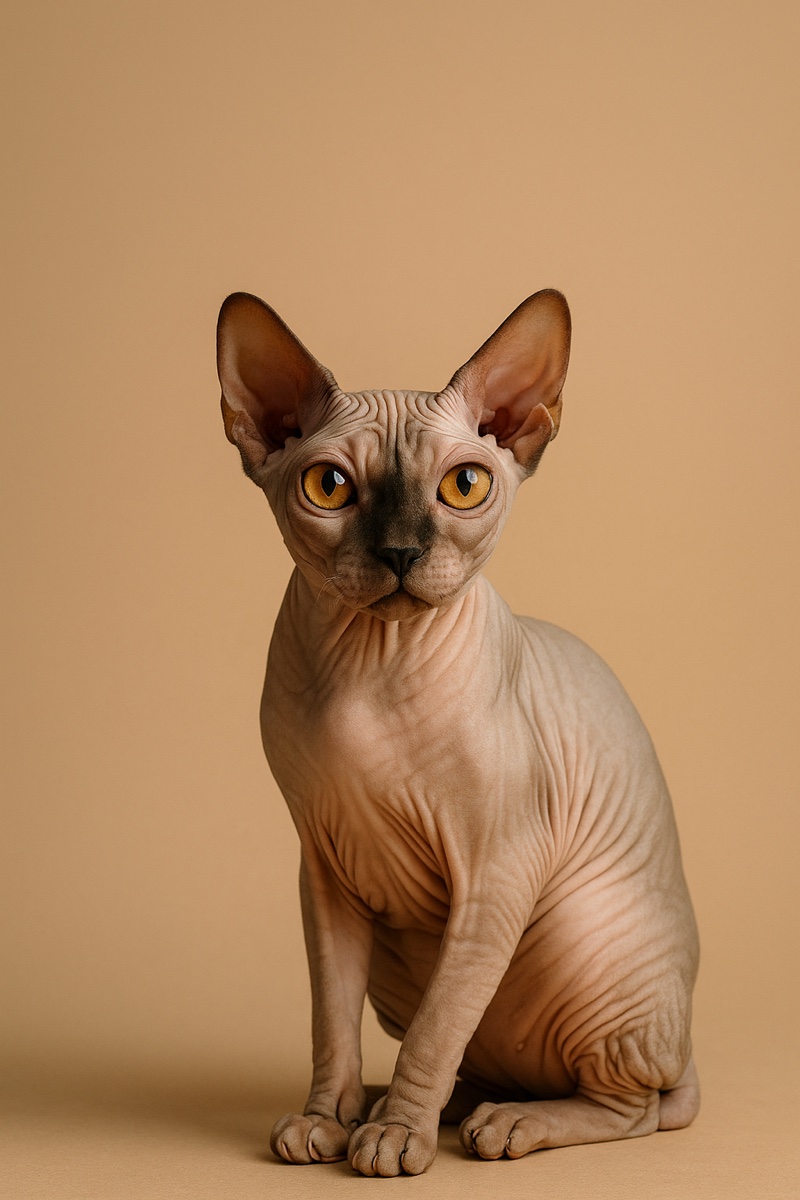
Honest, carefully researched guides on skin care, health, cost, clothing and breed know-how — for the world's most loved hairless cat.
- 16
- in-depth guides
Honest, never sponsored
Real trade-offs and costs — including the things breeders won't always tell you.
Vet-aware, owner-tested
Health guidance that points you to a vet, paired with hands-on owner tips.
Built for every stage
From researching your first kitten to caring for a much-loved companion.
Explore
Six hubs, every Sphynx question
Sphynx Cats
Everything about the Sphynx cat — the famous hairless breed known for warm, wrinkly skin and a velcro-like, people-loving personality.
Open hub→02Skin Care & Grooming
Because they have no coat to absorb oils, Sphynx cats need a regular skin-care and grooming routine — bathing, ear cleaning, acne care, wipes and shampoos.
7 guides→03Cost & Buying
How much a Sphynx cat really costs — to buy and to keep — plus reputable breeders, adoption and avoiding 'teacup' and cheap-kitten scams.
4 guides→04Sphynx Cat Health
Breed-specific health considerations: lifespan, common issues, heart and dental concerns, and the hypoallergenic question. Informational, not veterinary advice.
3 guides→05Clothes & Warmth
With no fur for insulation, Sphynx cats feel the cold. Sweaters, heated beds, free patterns and keeping a hairless cat warm and safe.
2 guides→06Breeds & Comparisons
Sphynx, Bambino, Elf, Donskoy, Peterbald — comparing the Sphynx with other hairless breeds, plus colours, coats and how it differs from a normal cat.
Open hub→Fresh from the den
Latest guides
Best Sphynx Cat Clothes
The best sphynx cat clothes combine warmth, fit and breathable fabrics. Look for specially‑designed jackets or lightweight costumes, and buy from reputable sellers on Amazon, Etsy or UK pet boutiques.
Read guide→do Sphynx Cats Need Clothes
Sphynx cats do not strictly need clothes, but because they lack fur they can feel cold, especially in cooler environments. Providing a lightweight sweater or other warm garment when temperatures drop helps them stay comfortable, though the cat should always be allowed to move freely and remove the item if it seems distressed.
Read guide→Sphynx Cat Health Issues
Sphynx cats are prone to specific health issues, especially genetic disorders like hypertrophic cardiomyopathy and skin conditions. Regular vet check‑ups, targeted health testing, and attentive skin care can minimise risks and keep them healthy.
Read guide→Sphynx Cat Lifespan
Sphynx cats usually live 12‑15 years, with many reaching 14 years or more when given appropriate care. Their lifespan is shaped by genetics, diet, indoor living and regular veterinary checks. Males and females have similar life expectancy, and keeping a sphynx indoors can help extend their years.
Read guide→Are Sphynx Cats Hypoallergenic
Sphynx cats are not truly hypoallergenic, as they still produce allergens. However, their lack of fur means less dander gets trapped and spread, making them a better option for some allergy sufferers than long-haired breeds.
Read guide→Sphynx Cat Monthly Cost
Owning a Sphynx cat typically costs between £800 and £1,500 in the first year, then about £500‑£800 annually. Main expenses are veterinary care, specialised grooming, and a higher food intake. Proper budgeting can keep the cost manageable.
Read guide→New to the hairless life? Start with the basics.
Skin care is where most Sphynx questions begin — baths, oils, ears and that famous wrinkly skin.