How to Bathe a Sphynx Cat
Sphynx cats are famous for their lack of fur, but that also means their skin needs extra care. Without a protective coat, oils, dirt and even minor injuries become visible quickly, so a consistent cleaning routine is essential for their comfort and health.
How often should you bathe a Sphynx cat?
The general guideline for most owners is once a week. This frequency balances the need to remove accumulated sebum with the risk of over‑drying the skin. If your cat spends a lot of time outdoors, gets into messy situations, or has a skin condition, you may need to bathe more often. Conversely, a cat that is mostly indoor and has a stable skin barrier might be fine with a bath every ten days. Always watch for signs of irritation – redness, itching or a strong odour – and adjust the schedule accordingly.
Setting up the sphynx cat bath routine
A calm environment is the cornerstone of a successful bath. Cats are sensitive to temperature, noise and sudden movements, so prepare everything before you bring your pet into the bathroom.
Step‑by‑step bath procedure
- Gather supplies – a non‑slip mat, a gentle handheld sprayer or a cup, cat‑specific shampoo, a soft towel, and optionally a bath cap.
- Warm the water – aim for a temperature similar to a warm bath for a human baby (around 37 °C or 98 °F). Test it on your wrist before starting.
- Secure the cat – place a non‑slip mat in the sink or tub. Gently lay the cat down, supporting its body and keeping its head above water.
- Wet the skin – use a handheld sprayer on a low setting or pour water slowly with a cup. Avoid spraying the face directly; you can use a damp washcloth for the head.
- Apply shampoo – work a small amount of sphynx cat bath products and soap into the skin, starting at the neck and moving down the back. Massage gently, ensuring the lather reaches all creases and folds.
- Rinse thoroughly – any residue can cause irritation. Rinse with lukewarm water until the water runs clear.
- Dry carefully – pat the cat dry with a soft towel. If the cat tolerates it, you can use a low‑heat hair dryer on the coolest setting, keeping it at least 30 cm away.
- Reward – give a treat or a few minutes of playtime to associate bathing with a positive outcome.
Choosing sphynx cat bath products and soap
Because Sphynx skin is more exposed, you need pH‑balanced, fragrance‑free shampoos designed for cats. Human baby shampoo can be too harsh, while regular feline shampoos may contain dyes that could stain the skin. Look for products that list ingredients such as aloe vera, oat extract or colloidal oatmeal – these soothe and moisturise without leaving a film. If you are unsure, a vet‑recommended gentle cleanser is always a safe bet.
Can you use baby wipes on a sphynx cat?
In a pinch, unscented, alcohol‑free baby wipes can be used for quick spot cleaning, but they are not a substitute for a full bath. Wipes may contain mild surfactants that can disrupt the natural skin barrier if used repeatedly. Reserve them for accidents or to freshen up the paws and avoid using them on large areas of the body.
Using a sphynx cat bath cap
A sphynx cat bath cap is a soft, silicone‑based cover that keeps water off the head while you clean the rest of the body. It is especially helpful for cats that are nervous about water near their ears and eyes. The cap should fit snugly but not press on the ears, and it can be left on for the duration of the bath. If your cat resists the cap, try a gradual introduction – let it sniff and wear the cap for short periods before the actual bath.
Dry shampoo and waterless shampoo options
Even with a regular bath routine, there are times when a full wash isn’t practical – for example, during travel or when the cat is unusually stressed. Dry shampoo for sphynx cats comes in powder or spray form and can absorb excess oil between baths. Apply a small amount, massage gently, then brush off the residue. Waterless shampoo for sphynx cats works similarly but contains a light mist that evaporates quickly, leaving the skin clean without a rinse. Both options are useful for touch‑ups but should not replace a weekly full bath.
Monitoring skin health
After each bath, take a moment to inspect the skin. Look for signs of dryness, redness or small scabs. A well‑maintained bath routine, combined with a balanced diet rich in omega‑3 fatty acids, supports a healthy skin barrier. If you notice persistent problems, consult your veterinarian – they may recommend medicated shampoos or a change in bathing frequency.
Quick checklist for a successful bath
- Lukewarm water (≈37 °C)
- Non‑slip mat in tub or sink
- Cat‑specific, fragrance‑free shampoo
- Soft towel and optional low‑heat dryer
- Bath cap for head protection
- Dry or waterless shampoo for interim cleaning
- Treats for positive reinforcement
By following these steps, you’ll keep your Sphynx cat clean, comfortable and happy, while minimising the stress that baths can cause.
Good to know
Frequently asked questions
How often should I bathe a Sphynx cat?+
Most owners find a weekly bath works well; adjust up or down based on your cat’s lifestyle and any skin concerns.
What is a good sphynx cat bath routine?+
Warm water, a gentle cat‑specific shampoo, a thorough rinse, careful drying, and a calm environment make up an effective routine.
Which sphynx cat bath products and soap are safe?+
Choose pH‑balanced, fragrance‑free shampoos made for cats, preferably with soothing ingredients like aloe or oatmeal.
Can you use baby wipes on a sphynx cat?+
Unscented, alcohol‑free baby wipes can be used for spot cleaning, but they should not replace a full bath.
Why use a sphynx cat bath cap?+
A bath cap keeps water away from the head, reducing stress and protecting the ears and eyes during a wash.
Related guides
Sphynx Cat Oily Skin
Sphynx cats appear oily because their skin produces more sebum than furred cats, and without hair to absorb it the oil stays on the surface. The oil helps protect their delicate skin, but it can cause visible grease and stains, which are managed through regular bathing and skin care.
Read guide→Sphynx Cat Acne Blackheads
Sphynx cat acne is a common skin issue caused by blocked pores, often appearing on the chin or tail. Gentle cleaning, topical treatments and keeping the environment clean can help, but always consult a vet for proper diagnosis and medication.
Read guide→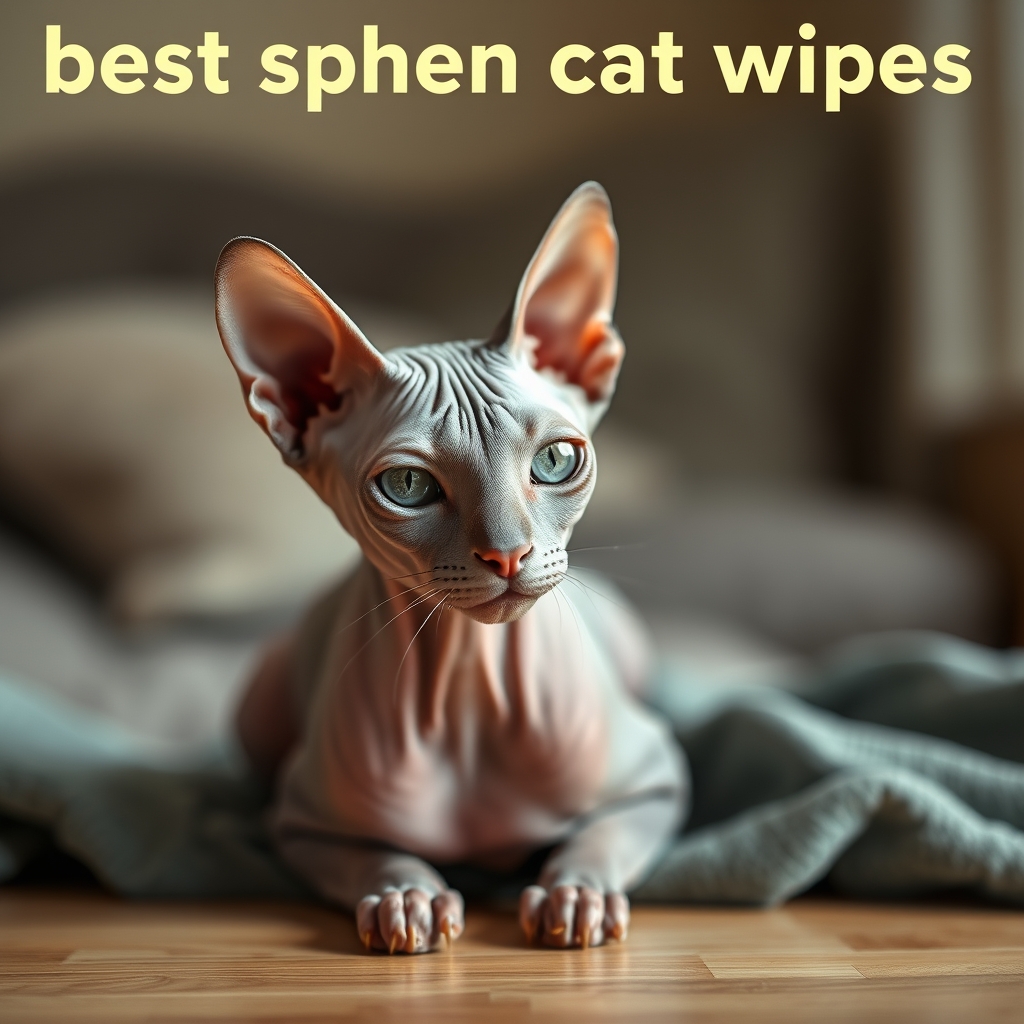 Skin Care
Best Sphynx Cat Wipes
The best sphynx cat wipes are unscented, hypo‑allergenic wipes designed specifically for hairless cats, and they can replace full baths for routine cleaning. Choose wipes that are safe for the skin, eyes and ears, and avoid using regular baby wipes as they may contain irritants.
Read guide→Best Sphynx Cat Shampoo
The best sphynx cat shampoo is a pH‑balanced, fragrance‑free, moisturizing formula that gently cleanses without stripping the skin’s natural oils. Look for options with oatmeal or aloe, and consider oil‑control or waterless dry shampoos for specific needs; baby shampoo is generally not recommended. In the UK you can find specialist sphynx cat shampoo from reputable pet‑care retailers and online boutiques.
Read guide→