Sphynx Cat Oily Skin
Why Are Sphynx Cats Oily? The Science Behind the Shine
The short answer is that a hairless cat’s skin produces sebum – the natural oil that keeps skin supple – at a relatively high rate. In a typical cat, fur acts like a sponge, soaking up the oil and dispersing it across the coat. With the Sphynx, there is no fur to absorb the sebum, so it remains on the surface and gives the animal a glossy, sometimes greasy appearance. This is why are sphynx cats oily, and it is a normal part of their physiology.
How Does Oil Affect Their Skin and Health?
The Role of Sebum in Temperature Regulation
Sebum is more than just a cosmetic film; it serves several vital functions. It creates a thin barrier that helps retain moisture, protecting the thin epidermis from dehydration. It also contains antimicrobial compounds that reduce the risk of bacterial and fungal infections. For the Sphynx, sebum assists in regulating body temperature, acting as a modest insulating layer when the cat is cold and a cooling agent when it is warm.
Common Oil‑Related Issues
Why do sphynx cats produce oil?
The production of oil is driven by the activity of sebaceous glands, which are hormonally regulated. Sphynx cats have a genetic mutation that eliminates the fur coat but does not diminish gland activity. Consequently, the glands continue to secrete oil at a rate similar to that of a fully‑furred cat, leaving the oil visible on the skin.
Is sphynx skin oily?
Yes, the skin of a Sphynx is naturally oily, though the degree can vary between individuals. Some cats may have a light sheen that disappears after a quick wipe, while others develop a more pronounced greasiness that can be noticeable to the touch.
Sphynx cat oil stains and grease stains
Because the oil is not absorbed, it can transfer onto furniture, bedding, and clothing. These "sphynx cat oil stains and grease stains" are usually yellow‑brown and may require a mild detergent or an enzyme‑based cleaner to remove. Regular grooming helps minimise the amount of oil that ends up on household surfaces.
Practical Sphynx Cat Oil Control Tips
- Routine Baths – A weekly bath using a cat‑specific, low‑pH shampoo is sufficient for most cats. Over‑bathing can strip the skin of protective oil, leading to dryness and irritation.
- Spot Cleaning – Keep a soft, damp cloth handy for quick wipes between baths. This removes excess oil without disturbing the skin’s natural barrier.
- Balanced Diet – High‑quality protein and omega‑3 fatty acids support healthy skin and may moderate sebum production. Avoid excessive treats that are high in fat, as they can increase oil output.
- Environmental Humidity – Maintaining a moderate indoor humidity (around 45‑55 %) prevents the skin from drying out, which can trigger the glands to produce more oil.
- Gentle Grooming Tools – A silicone grooming glove or a soft brush can stimulate circulation and distribute oil evenly, reducing the appearance of greasy patches.
- Regular Vet Checks – Occasionally, excessive oil can signal an underlying hormonal imbalance or skin condition. A veterinarian can assess hormone levels and recommend appropriate treatment if needed.
Managing Oil Stains on Home Surfaces
When oil does transfer to furniture or fabrics, act promptly. Blot the area with a paper towel to absorb as much as possible, then apply a small amount of diluted dish soap or a pet‑safe enzymatic cleaner. Rinse with water and let dry. For carpet or upholstery, a professional cleaning service may be required if the stain persists.
Sphynx Cat Oil Control: A Balanced Approach
The goal of sphynx cat oil control is not to eliminate oil entirely but to keep it at a level that maintains skin health while minimising cosmetic concerns. By combining regular baths, spot cleaning, dietary care, and environmental management, owners can enjoy the unique look of their Sphynx without the inconvenience of persistent grease.
Summary
Sphynx cats are oily because their skin continues to produce sebum, and the lack of fur means the oil stays on the surface. This oil protects the skin, aids temperature regulation, and can be managed through a consistent grooming routine, diet, and environmental controls. Understanding the reasons behind the oiliness helps owners provide the best care and keep both cat and home looking clean.
This article is intended as a general guide. For specific health concerns, always consult a qualified veterinarian.
Good to know
Frequently asked questions
Why do sphynx cats produce oil?+
Sphynx cats produce oil because their sebaceous glands remain active despite the lack of fur, secreting sebum that stays on the skin surface.
Is sphynx skin oily?+
Yes, the skin of a Sphynx cat is naturally oily, though the amount can vary from a light sheen to a more noticeable greasiness.
Can sphynx cat oil stains be removed?+
Oil stains can be removed with prompt blotting and a mild pet‑safe cleaner; regular washing of fabrics also helps prevent buildup.
How can I control oil on my sphynx cat?+
Control oil by bathing weekly with a cat‑specific shampoo, spot‑cleaning between baths, feeding a balanced diet, and keeping indoor humidity moderate.
Are there health concerns if a sphynx cat's skin is too oily?+
Excessive oil may indicate hormonal imbalance or skin infection, so a vet check is advisable if the oiliness suddenly increases or is accompanied by irritation.
Related guides
How to Bathe a Sphynx Cat
To clean a Sphynx cat, give a regular bath using lukewarm water, a cat‑specific gentle shampoo, and rinse thoroughly. Bathe about once a week, use a bath cap if the cat dislikes water, and keep dry or waterless shampoo for quick touch‑ups.
Read guide→Sphynx Cat Acne Blackheads
Sphynx cat acne is a common skin issue caused by blocked pores, often appearing on the chin or tail. Gentle cleaning, topical treatments and keeping the environment clean can help, but always consult a vet for proper diagnosis and medication.
Read guide→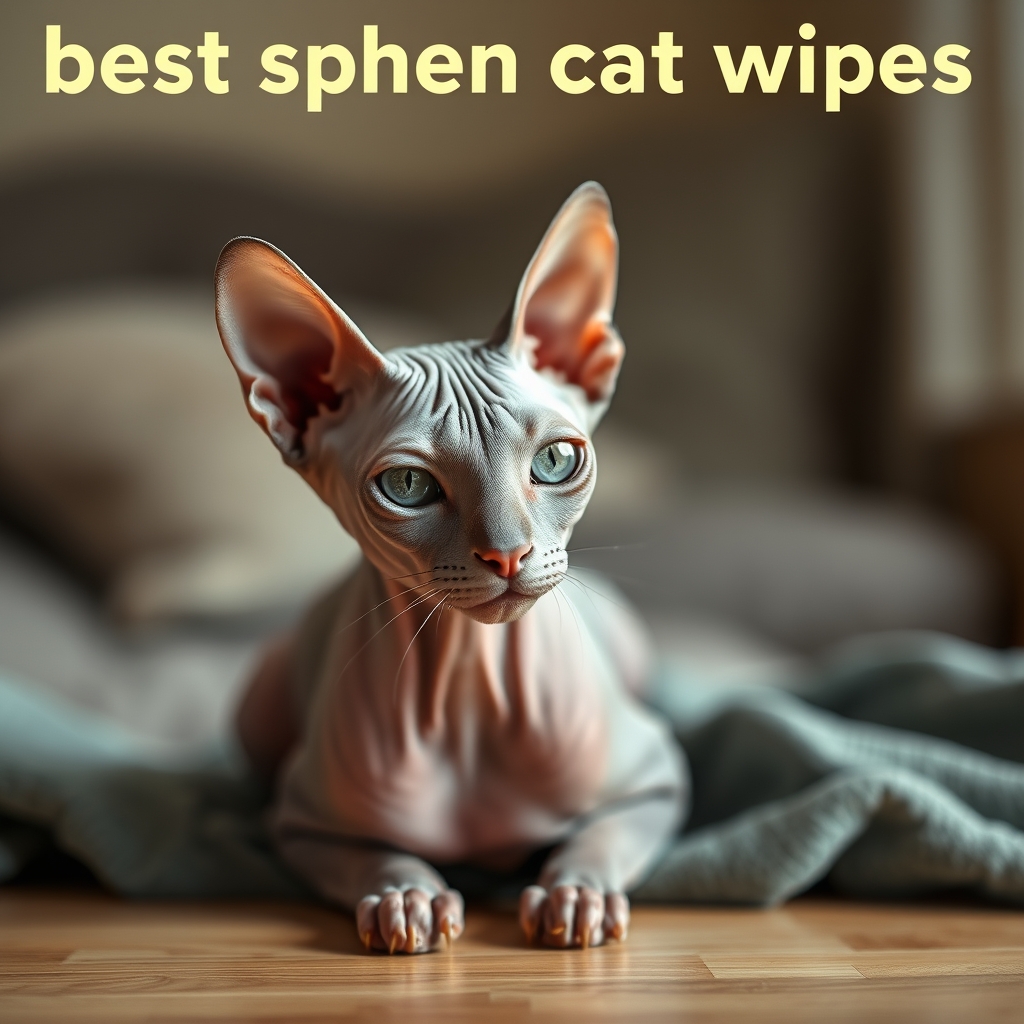 Skin Care
Best Sphynx Cat Wipes
The best sphynx cat wipes are unscented, hypo‑allergenic wipes designed specifically for hairless cats, and they can replace full baths for routine cleaning. Choose wipes that are safe for the skin, eyes and ears, and avoid using regular baby wipes as they may contain irritants.
Read guide→Best Sphynx Cat Shampoo
The best sphynx cat shampoo is a pH‑balanced, fragrance‑free, moisturizing formula that gently cleanses without stripping the skin’s natural oils. Look for options with oatmeal or aloe, and consider oil‑control or waterless dry shampoos for specific needs; baby shampoo is generally not recommended. In the UK you can find specialist sphynx cat shampoo from reputable pet‑care retailers and online boutiques.
Read guide→