Sphynx Cat Sunburn Sunscreen
Informational, not veterinary advice. This guide is for general education. For diagnosis or treatment, always consult a qualified veterinarian who can examine your cat.
Why Sunscreen Matters for Sphynx Cats
Sphynx cats are famous for their lack of fur, but that also means they have no natural barrier against ultraviolet (UV) radiation. Without the insulation that a typical coat provides, their skin can scorch, redden, and over time develop lesions that may become cancerous. The need for sphynx cat sunscreen is therefore as real as it is for people with very fair skin. Even a brief outing on a sunny patio can cause a painful burn if the cat’s skin is left unprotected.
Can You Put Sunscreen on a Sphynx Cat?
The short answer is yes—provided you choose a product formulated for pets and apply it correctly. Human sunscreens often contain chemicals such as oxybenzone or avobenzone, which can be irritating or toxic when ingested by cats. Cats are meticulous groomers, and any residue they lick off their paws or face could lead to gastrointestinal upset. Look for a pet‑safe sun cream for sphynx cats that lists zinc oxide or titanium dioxide as the active ingredient. These mineral filters sit on the surface of the skin and are not absorbed into the bloodstream.
Choosing the Right Sun Cream for Sphynx Cats
When shopping for sun cream for sphynx cats, keep these criteria in mind:
- Broad‑spectrum protection (UVA and UVB) with an SPF of at least 30.
- Water‑resistant if your cat enjoys outdoor pools or will be exposed to sweat.
- Fragrance‑free to avoid triggering a cat’s sensitive nose.
- Easy‑application format, such as a spray or a non‑sticky lotion, so you can coat the ears, nose, and any exposed patches without causing distress.
Veterinary dermatologists often recommend a thin layer applied 15‑30 minutes before sun exposure, allowing the product to set. Reapply every two hours, or after the cat has been grooming, to maintain protection.
Practical Sphynx Cat Sun Protection Strategies
Sunscreen is just one tool in a broader sun‑protection plan. Here are additional steps you can take:
- Create shade: Outdoor enclosures, umbrellas, or a simple cat‑safe tent can provide relief during peak UV hours (10 am–4 pm).
- Limit exposure: Short, supervised outdoor sessions are safer than long, unsupervised roaming.
- Protective clothing: Lightweight, breathable UV‑blocking shirts are available for cats and can be especially useful for kittens whose skin is even more delicate.
- Indoor enrichment: Many sphynx owners find that providing window perches with filtered sunlight satisfies the cat’s desire for warmth while keeping UV exposure low.
Recognising Sunburn in a Sphynx Cat
A sphynx cat sunburn often appears as redness, swelling, or a dry, flaky texture on the ears, nose, and paw pads. In severe cases, the skin may blister or ulcerate. Because the breed lacks fur, owners can spot these changes quickly, but it’s easy to mistake mild irritation for a normal grooming reaction. If you notice any of the following, treat it promptly:
- Persistent redness that does not fade within a few hours.
- Crusting or scabbing that develops over the affected area.
- Changes in behavior such as excessive licking, pawing at the face, or reduced appetite.
Sphynx Cat Sunburn Treatment
If your cat does develop a sunburn, follow these steps:
- Cool the skin: Gently apply a cool, damp cloth to the burned area for a few minutes. Do not use ice, as it can cause further tissue damage.
- Apply a veterinary‑approved ointment: Products containing aloe vera or a mild hydrating gel can soothe the skin, but always choose a formulation approved for feline use.
- Avoid further sun exposure: Keep the cat indoors or in shade until the skin has healed.
- Monitor for infection: Look for pus, increased swelling, or a foul odor, which would warrant a veterinary visit.
If you suspect a severe burn or any signs of infection, contact a qualified veterinarian for diagnosis and treatment.
Understanding Sphynx Cat Skin Cancer Risk
Long‑term UV exposure increases the risk of squamous cell carcinoma (SCC) in hairless breeds. Studies of outdoor‑exposed cats have shown a higher incidence of skin tumours on the ears, nose, and eyelids—areas that receive the most direct sunlight. While the overall prevalence of skin cancer in cats is lower than in humans, the lack of fur means sphynx cats are comparatively more vulnerable. Early detection is key: regular visual checks and veterinary skin exams can catch abnormal growths when they are most treatable.
How to Reduce Cancer Risk Over a Cat’s Lifetime
- Consistent sunscreen use during outdoor activities.
- Year‑round shade in the garden or patio.
- Routine veterinary skin checks at least once a year, or more often if the cat has a history of sunburn.
- Dietary antioxidants such as vitamin E and omega‑3 fatty acids may support skin health, though they are not a substitute for physical sun protection.
Frequently Asked Questions (FAQ)
Below are quick answers to common concerns about protecting your hairless companion from the sun.
Can you put sunscreen on a sphynx cat?
Yes, but only using a pet‑safe, mineral‑based sunscreen that is free of harmful chemicals and fragrances.
What kind of sun cream for sphynx cats is safest?
A broad‑spectrum SPF 30+ cream with zinc oxide or titanium dioxide, formulated specifically for cats, is the safest option.
How can I protect my sphynx cat from sunburn?
Combine sunscreen with shade, limit outdoor time, use UV‑blocking clothing, and keep an eye on vulnerable areas like the ears and nose.
Why are sphynx cats at higher skin cancer risk?
Their lack of fur leaves skin exposed to UV radiation, which over time can cause cellular damage leading to cancers such as squamous cell carcinoma.
How should I treat a sphynx cat sunburn?
Cool the area, apply a veterinary‑approved soothing ointment, keep the cat out of the sun, and seek veterinary care if the burn is severe or shows signs of infection.
By integrating sunscreen into your daily routine and adopting practical sun‑protection habits, you can keep your sphynx cat comfortable, healthy, and safe from the hidden dangers of UV exposure.
Good to know
Frequently asked questions
Can you put sunscreen on a sphynx cat?+
Yes, but only using a pet‑safe, mineral‑based sunscreen that is free of harmful chemicals and fragrances.
What kind of sun cream for sphynx cats is safest?+
A broad‑spectrum SPF 30+ cream with zinc oxide or titanium dioxide, formulated specifically for cats, is the safest option.
How can I protect my sphynx cat from sunburn?+
Combine sunscreen with shade, limit outdoor time, use UV‑blocking clothing, and keep an eye on vulnerable areas like the ears and nose.
Why are sphynx cats at higher skin cancer risk?+
Their lack of fur leaves skin exposed to UV radiation, which over time can cause cellular damage leading to cancers such as squamous cell carcinoma.
How should I treat a sphynx cat sunburn?+
Cool the area, apply a veterinary‑approved soothing ointment, keep the cat out of the sun, and seek veterinary care if the burn is severe or shows signs of infection.
Related guides
How to Bathe a Sphynx Cat
To clean a Sphynx cat, give a regular bath using lukewarm water, a cat‑specific gentle shampoo, and rinse thoroughly. Bathe about once a week, use a bath cap if the cat dislikes water, and keep dry or waterless shampoo for quick touch‑ups.
Read guide→Sphynx Cat Oily Skin
Sphynx cats appear oily because their skin produces more sebum than furred cats, and without hair to absorb it the oil stays on the surface. The oil helps protect their delicate skin, but it can cause visible grease and stains, which are managed through regular bathing and skin care.
Read guide→Sphynx Cat Acne Blackheads
Sphynx cat acne is a common skin issue caused by blocked pores, often appearing on the chin or tail. Gentle cleaning, topical treatments and keeping the environment clean can help, but always consult a vet for proper diagnosis and medication.
Read guide→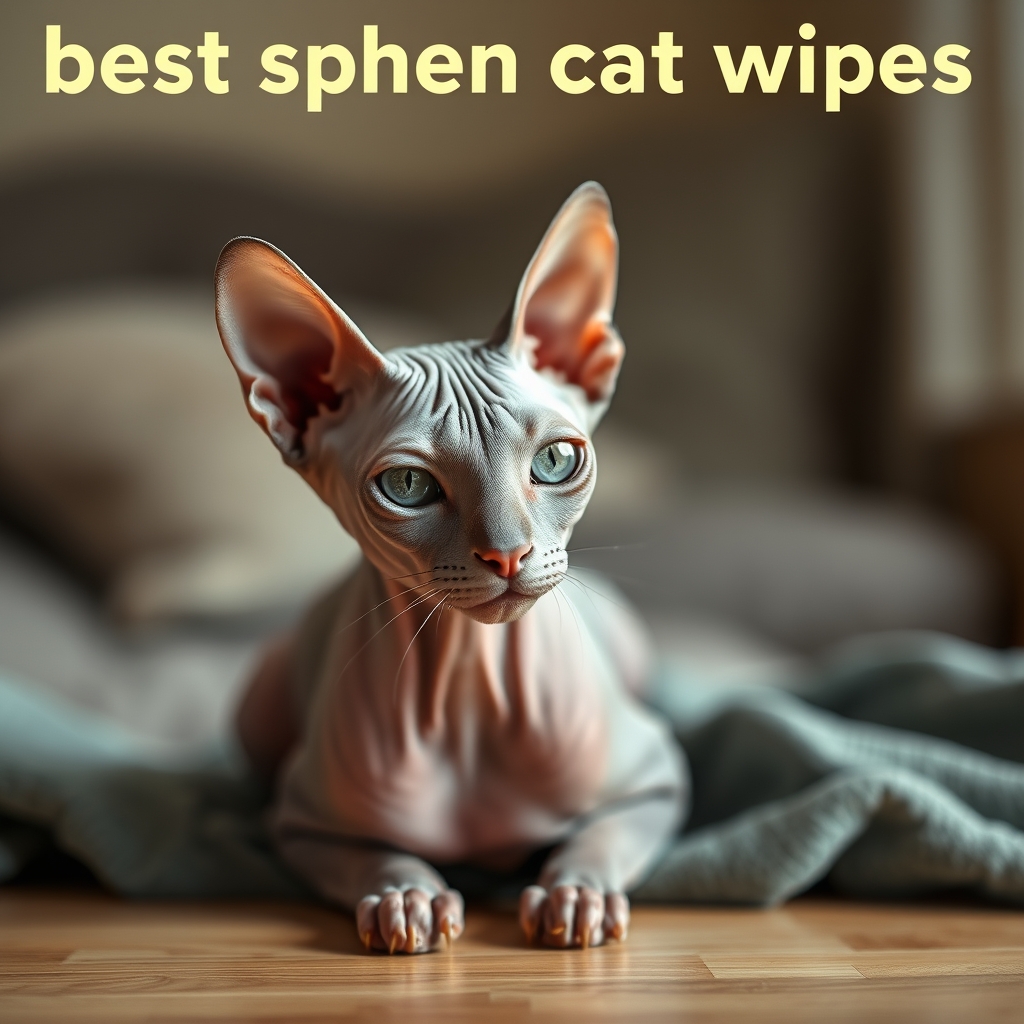 Skin Care
Best Sphynx Cat Wipes
The best sphynx cat wipes are unscented, hypo‑allergenic wipes designed specifically for hairless cats, and they can replace full baths for routine cleaning. Choose wipes that are safe for the skin, eyes and ears, and avoid using regular baby wipes as they may contain irritants.
Read guide→